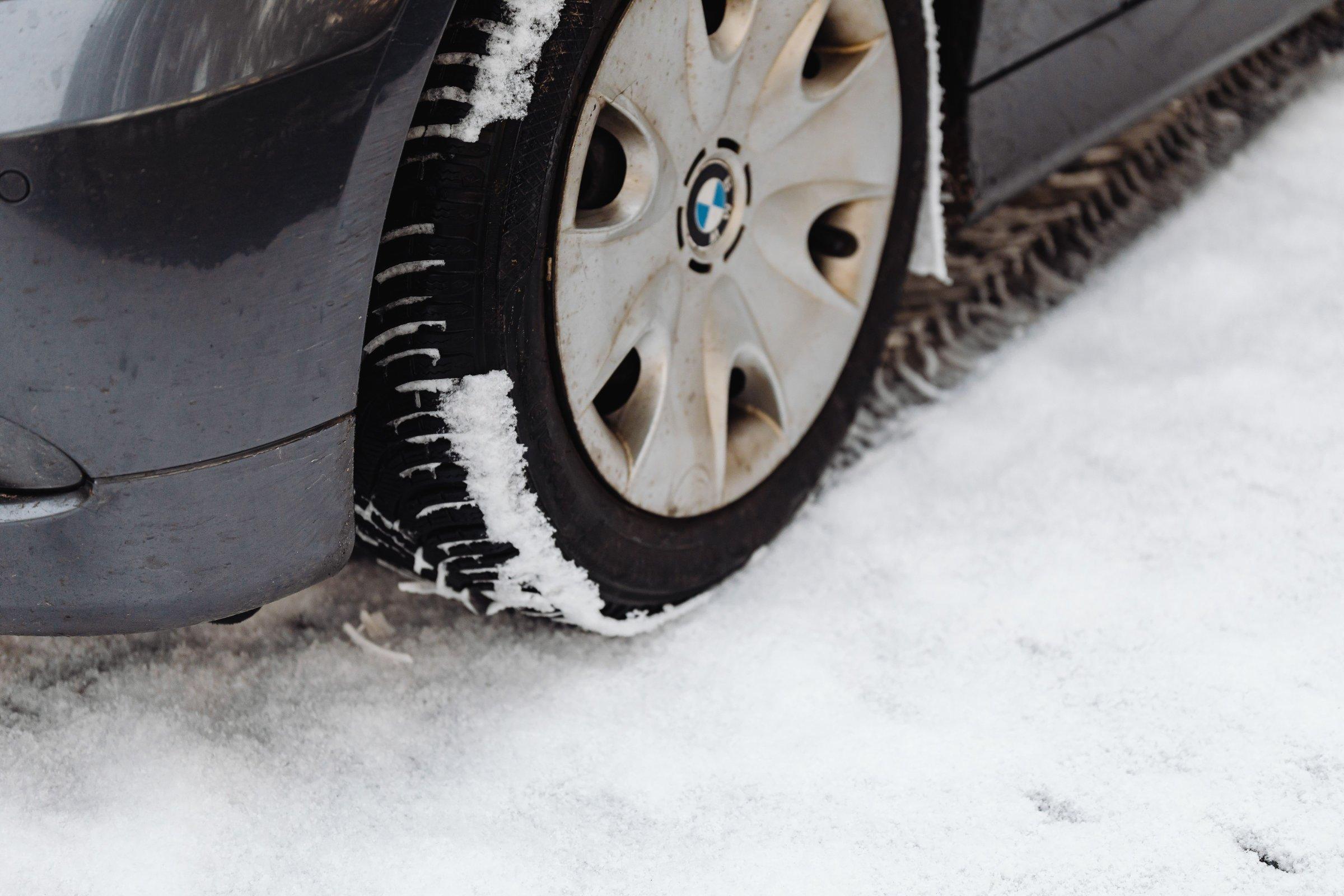
To pick the best winter tires for your car, you need to match the tire design to your daily driving habits, choose the correct size listed on your driver side door placard, and decide if you want dedicated steel wheels. For most drivers in Waterloo Region, a standard stud less winter tire offers the best balance of deep snow traction and wet slush grip.
Selecting winter tires can feel overwhelming with so many brands and tread patterns on the market. September is the ideal time in southern Ontario to start planning because tire stock is high and you can beat the late autumn rush. Making the right choice now keeps you safe when the temperatures drop and the snow starts to pile up.
Should you get winter tires or all-weather tires?
Many drivers ask if they can get by with all-weather tires instead of dedicated winter tires. All-weather tires have the three-peak mountain snowflake symbol, which means they meet the minimum government standards for snow traction. They can stay on your car all year, which saves you the hassle of seasonal changeovers.
However, dedicated winter tires are made from a softer rubber compound that stays flexible when the temperature drops below seven degrees Celsius. All-weather rubber gets stiffer in extreme cold, which reduces your grip on ice and hard-packed snow. If you do a lot of highway driving or travel outside of Cambridge on rural roads, a dedicated winter tire is your safest choice.
How do you find the right tire size?
Before you look at brands, you must know the exact tire size your car requires. You can find this information on a sticker inside the driver side door frame or in your owner's manual. The size is written as a series of numbers and letters, such as 205/55R16.
Using the wrong tire size can mess up your speedometer, put extra stress on your suspension, and even rub against your wheel wells. If you want to save money on seasonal changeovers, you might want to buy a second set of smaller wheels for winter. This is called downsizing, and it allows you to use a narrower tire with a taller sidewall, which actually cuts through deep snow better. Talk to us first so we can make sure the smaller wheels will still clear your brake calipers.
Do you need studded tires in southern Ontario?
Studded tires use small metal pins embedded in the tread to claw into hard ice. They are highly effective in northern climates, but they are not always the best choice for the Galt area.
In southern Ontario, our winters involve a lot of driving on bare, wet asphalt after the salt trucks have cleared the roads. Studded tires are noisy on dry pavement and can actually reduce your traction on bare concrete. There are also specific provincial rules about when and where you can use studded tires in Ontario. For almost all local drivers, a high-quality studless winter tire is the better option.
Should you buy a second set of wheels?
We always suggest buying a dedicated set of steel or aluminum wheels for your winter tires. While it costs more upfront, it saves you money on every seasonal changeover because we do not have to strip the tires off your rims twice a year.
Winter wheels also protect your nice alloy rims from the harsh road salt and brine used on Waterloo Region roads. Steel wheels are heavier, which can actually help press your tires down through the slush for better grip.
How we help you choose
At Ainslie Auto Repair & Sales, we have been helping local drivers since 2001. When you need new tires, we do not just sell you whatever is on the shelf. We ask about where you drive, look up your vehicle specifications, and give you a clear price.
Our process is simple. We find the right options for your car, call you with a complete quote, and only start the work once you tell us to go ahead. We can also check your wheel alignment during the installation to make sure your new tires do not wear out unevenly.
If you want to get ready for the cold weather early, you can book a repair or call us at 519-624-6789 to discuss tire options. We also have a few inspected used cars for sale if you are looking for a reliable winter commuter.
Common questions.
When should I put winter tires on my car in Ontario?
A good rule of thumb is to install your winter tires when the temperature consistently drops below seven degrees Celsius, which usually happens in late October or early November in southern Ontario.
Can I just put two winter tires on the drive wheels?
No, you should always install a matching set of four winter tires. Mixing different tire types can cause unpredictable handling and make your car spin out during hard braking or cornering.
Do winter tires affect my car insurance in Ontario?
Yes, many insurance companies in Ontario offer a small discount if you have four winter tires installed on your vehicle during the winter months.